
Master of Acupuncture (MAc) Degree Program
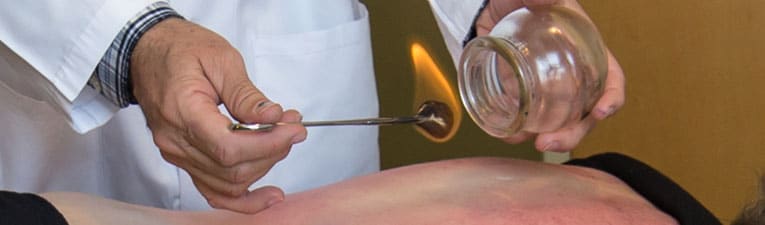
The Master of Acupuncture (MAc) Degree Program at Colorado Chinese Medicine University (CCMU) is a 2,400‑hour, 28‑month graduate‑level professional degree designed to prepare students for entry-level clinical practice in acupuncture and Traditional Chinese Medicine.
The program emphasizes foundational theory, practical skills, and supervised clinical training to support professional competency and licensure preparation.

Program Overview
The MAc program provides comprehensive education in acupuncture theory, biomedical sciences, and clinical practice.
Students progress through structured academic coursework alongside hands-on clinical observation and supervised patient care in a supportive educational environment.
Program Snapshot:
-
Degree Level: Master’s
-
Primary Focus: Acupuncture-centered clinical training
-
Structure: Didactic coursework combined with supervised clinical practicum
Who Should Pursue This Program
This program is designed for:
-
Students seeking professional education in acupuncture
-
Individuals preparing for acupuncture licensure and national certification
-
Applicants beginning formal training in Chinese medicine and clinical practice
Curriculum Focus and Key Components
The curriculum is structured to progressively develop foundational knowledge, technical proficiency, and professional readiness.
Core focus areas include:
-
Acupuncture theory and meridian systems
-
Point location, needling techniques, and treatment safety
-
Biomedical sciences and clinical foundations
-
Supervised clinical observation and patient care
Detailed Curriculum Structure
The Master of Acupuncture (MAc) curriculum is designed to provide students with a comprehensive foundation in acupuncture theory, biomedical sciences, and supervised clinical training.
Courses are structured to progressively develop theoretical understanding, technical proficiency, and clinical competence required for professional practice and licensure preparation.
Core Acupuncture Theory and Techniques
This component of the curriculum focuses on the foundational principles and technical skills of acupuncture practice.
Students study classical and modern acupuncture theory, meridian systems, point location, and needling techniques, with emphasis on safety, accuracy, and clinical application.
Course topics typically include:
-
Foundations of acupuncture theory and meridian systems
-
Point location and anatomical landmarks
-
Needling techniques and clinical safety
-
Treatment principles and modality integration
Biomedical Sciences and Clinical Foundations
Biomedical science courses provide essential knowledge of Western medical concepts necessary for safe and effective clinical practice.
This coursework supports interdisciplinary communication, clinical understanding, and informed patient care.
Course topics typically include:
-
Medical terminology
-
Anatomy and physiology
-
Surface anatomy
-
Introduction to biology and chemistry
-
Pathology and disease mechanisms
Clinical Training and Supervised Practice
Clinical training is a core component of the MAc program and is conducted through structured observation and supervised patient care.
Students apply theoretical knowledge in real-world clinical settings under faculty supervision, gradually assuming greater responsibility as competencies develop.
Clinical training includes:
-
Clinical observation of licensed practitioners
-
Supervised acupuncture treatments
-
Patient intake, assessment, and documentation
-
Clinical ethics and professional conduct
Professional Development and Practice Preparation
Professional development courses support students in building the skills necessary for responsible and ethical practice within regulated healthcare environments.
Course topics typically include:
-
Professional ethics and legal responsibilities
-
Clinical safety and risk management
-
Practice management fundamentals
-
Practitioner–patient communication
Program Progression by Academic Year
-
Year 1 – Foundation & Clinical Observation
The first year emphasizes foundational knowledge in Traditional Chinese Medicine and the development of essential practical skills.
Students study core TCM theories, including concepts of qi, health, and disease etiology, alongside acupuncture meridian and point theory with hands-on practicum.Clinical diagnosis forums are introduced to allow students to observe the practical application of diagnostic reasoning.
Training includes Tui-na for palpation skills, traditional acupuncture and moxibustion techniques, and adjunctive modalities such as auricular acupuncture, scalp acupuncture, cupping, and Gua Sha.
Qigong and Taiji exercises are incorporated to support the cultivation and regulation of qi.Biomedical coursework provides grounding in medical terminology, anatomy and physiology, surface anatomy, biology, and chemistry.
Clinical exposure begins through structured observation of private practitioners and student clinic operations.
-
Year 2 – Advanced Theory and Supervised Clinical Practice
In the second year, students apply Traditional Chinese Medicine theory to understand disease processes and formulate acupuncture and moxibustion treatment strategies.
Participation in clinical diagnosis forums continues, supporting the refinement of diagnostic and treatment planning skills.Supervised clinical practice formally begins, with students assuming responsibility for patient intake, assessment, treatment delivery, and documentation under faculty supervision.
Professional training includes Clean Needle Technique (CNT), OSHA and HIPAA compliance, and clinical ethics.
Completion of Red Cross Adult and Pediatric First Aid, CPR, and AED certification is required prior to advanced clinical internships.Specialized coursework introduces advanced Acumoxa treatment strategies for musculoskeletal conditions and foundational exposure to Chinese herbal medicine through topical applications.
-
Year 3 – Advanced Clinical Integration and Professional Readiness
The final year emphasizes advanced clinical integration and professional readiness.
Students consolidate clinical reasoning, refine treatment strategies, and prepare for final proficiency assessments.The curriculum supports preparation for national acupuncture board examinations, including the NCBAHM™ (formerly NCCAOM) Acupuncture examination, in alignment with professional licensure pathways.
Program Outcomes
Graduates of the Master of Acupuncture program are prepared to:
-
Perform acupuncture treatments safely and effectively
-
Apply foundational diagnostic reasoning in clinical settings
-
Demonstrate professional conduct and ethical responsibility
-
Enter professional practice and licensure pathways in acupuncture
Official Curriculum and Academic Catalog
For a complete and official list of courses, credit requirements, and graduation standards, please refer to the Academic Catalog.
Admissions and Next Steps
Prospective students are encouraged to review admissions requirements and application procedures.
Frequently Asked Questions
What is an MAc degree?
A master’s-level professional degree focused on acupuncture education and clinical practice.
Does the MAc program prepare students for licensure?
Yes. The program is designed to meet educational requirements for acupuncture licensure and national certification.
Does the MAc program include herbal medicine?
No. Chinese herbal medicine training is included in the MAcCHM program.
Transfer Opportunities
Students can transfer between the MAc and Master of Acupuncture with a Chinese Herbal Medicine specialization (MAcCHM) programs with appropriate prerequisites and a program transfer fee. MAc graduates can return to complete the necessary coursework and clinics for the MAcCHM degree.
Program Category Totals
- Biosciences 540 hours / 36 credits
- TCM Theory & Technique 1020 hours / 60 credits
- Miscellaneous 90 hours / 6 credits
- Observation 150 hours / 5 credits
- Chinese Herbal Medicine 45 hours / 3 credits
- Clinics: Acupuncture 555 hours / 18.5 credits
- For more detail, please See Catalog
Total 2,400 hours / 128.5 credits
